

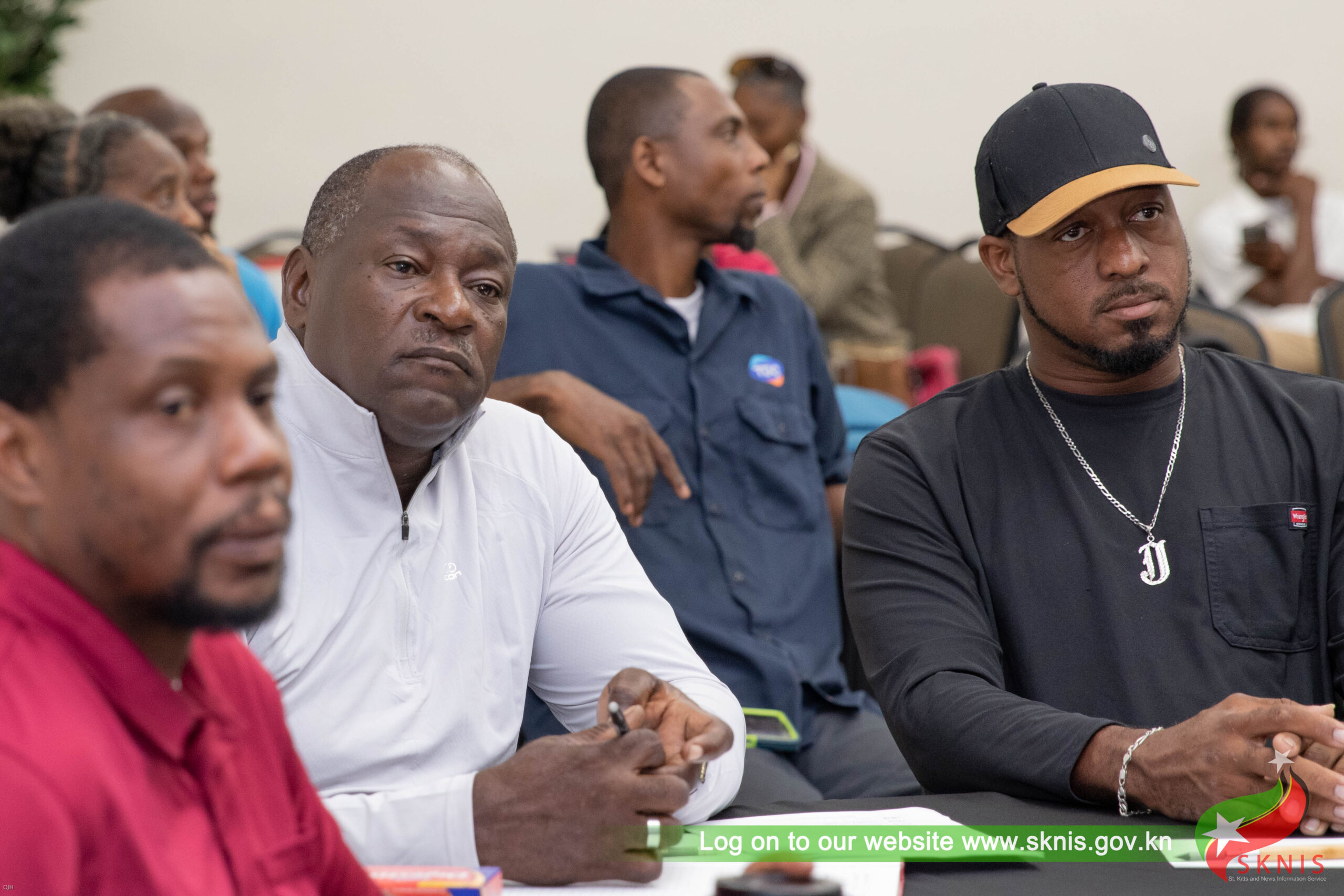
The Department of Environment’s Ozone Unit, together with refrigeration and air-conditioning technicians and other key stakeholders, came together for a meaningful exchange on how St. Kitts and Nevis can continue to strengthen the implementation of the Montreal Protocol and the Kigali Amendment.
The consultation hosted by Mrs Kolene Latham, our National Ozone representative, provided an important opportunity to review the implementation, reporting, and compliance requirements associated with the Kigali Amendment’s licensing framework, while also discussing the practical realities of managing refrigerants within our country. The success of this framework depends not only on legislation and policies, but also on the knowledge, experience, and cooperation of the professionals who work with refrigeration and air-conditioning systems every day.
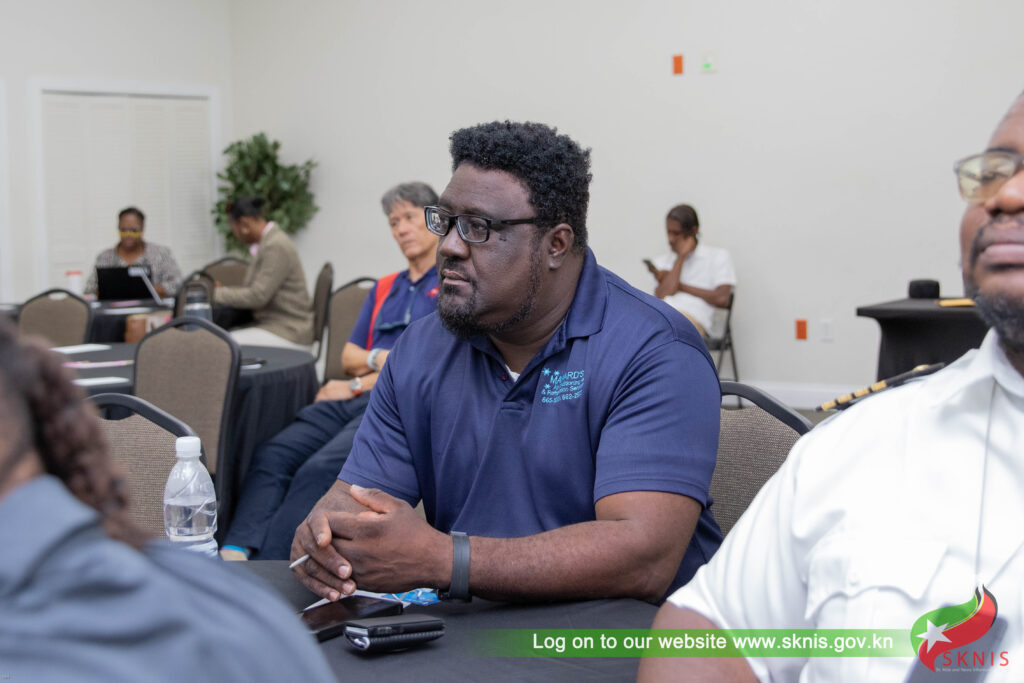
A key area of discussion was the need to improve our understanding of the types, quantities, and uses of ozone-depleting substances and refrigerants currently present across St. Kitts and Nevis. Building a reliable national inventory is essential for informed decision-making, effective monitoring, accurate reporting, and planning for the gradual transition toward refrigerants with lower environmental impacts.
With the demand for refrigeration and air-conditioning services increasing alongside rising temperatures, climate change, population and residential growth, and expanding commercial activity, responsible refrigerant management is becoming increasingly important. Mrs Latham expressed the choices we make today can have lasting implications for our climate, our environment, and the sustainability of our cooling sector.
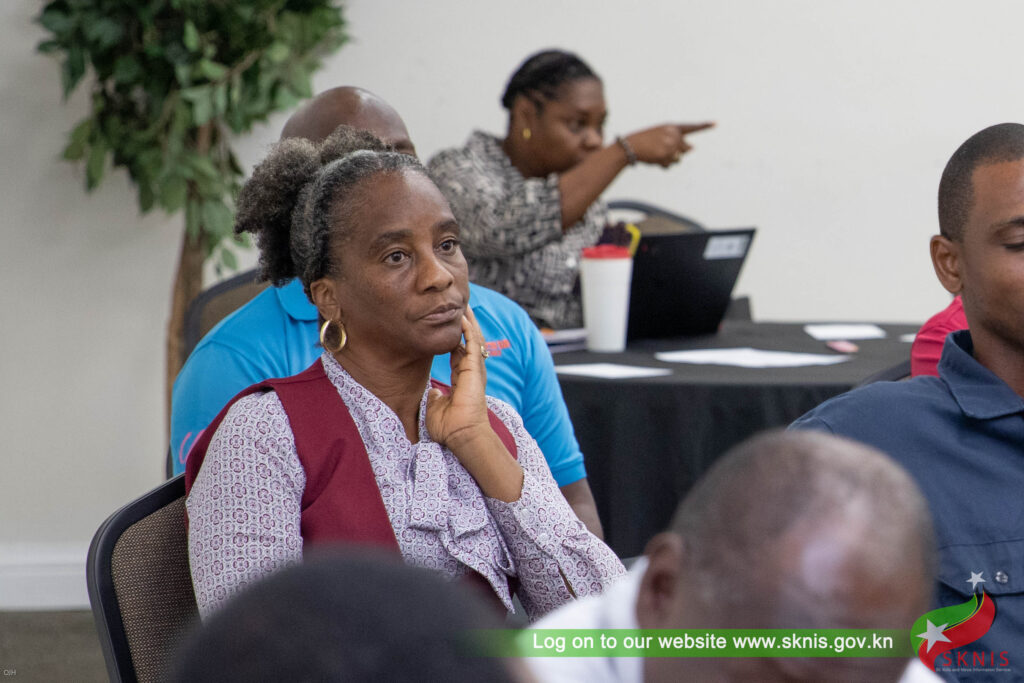
She stated “Our refrigeration and air-conditioning technicians are at the heart of this transition. Their practical expertise provides valuable insight into the refrigerants currently being used, the challenges associated with transitioning to alternatives, the availability of appropriate equipment and technologies, and the training and support needed to ensure that the transition is safe and effective”.
Mr Luke Francis, Rac Association President, reiterated the need for working collaboratively with technicians, importers, businesses, policymakers, and other stakeholders. Stating “ we can strengthen our regulatory systems, improve data collection and reporting, promote good refrigerant management practices, and support the responsible phase-down of high-global-warming-potential refrigerants.”
This is about more than meeting international commitments. It is about building a more resilient, environmentally responsible, and climate-friendly cooling sector for St. Kitts and Nevis, while ensuring that those working within the industry have the knowledge and tools needed to be part of the solution.
A sincere thank you to all the stakeholders who participated and shared their expertise, experiences, and recommendations. Your knowledge, commitment, and time are powering real progress as we work together toward a more sustainable future for our Federation.