

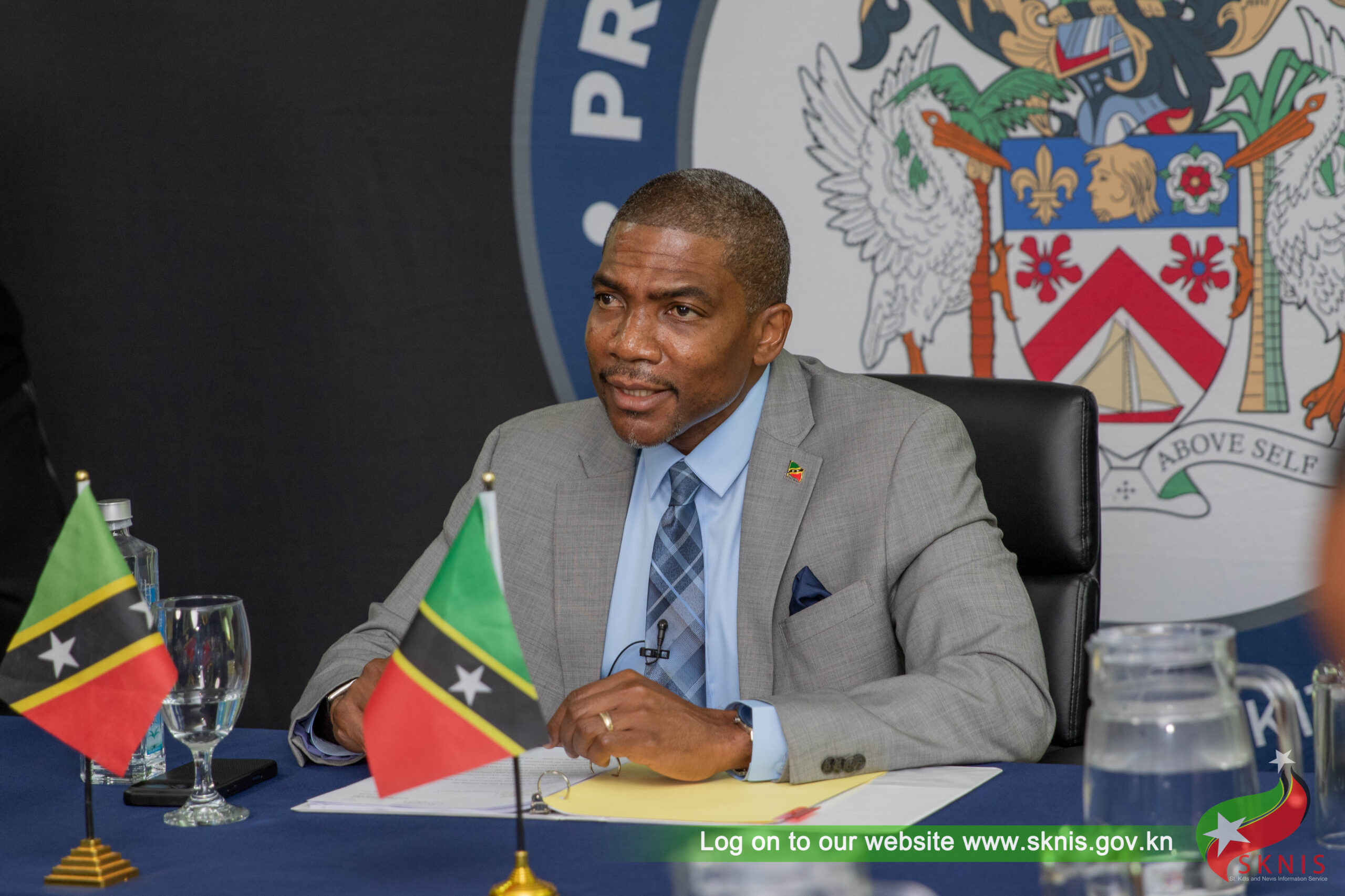
Basseterre, St. Kitts, November 6, 2026 (PMO) — Prime Minister, the Honourable Dr. Terrance Drew, has dismissed suggestions that the government intends to end the Skills Training and Empowerment Programme (STEP) and further indicated that he has already encouraged the Financial Secretary to examine how participants can move from the training program into more permanent employment.
“Who gonna send them home? Not me. Instead of sending them home, I gave them an increase,” Prime Minister Drew said during The Roundtable on Thursday, November 05.
Dr. Drew shared that he requested the review after hearing from a woman who had worked in government through STEP for about eight years. She told him she wanted to buy a home for herself and her children but was unable to secure a mortgage because the bank considered her placement temporary.
“Let me tell the FS to look at that, because why should somebody in the government be on this step for eight years, with no benefits?” Dr. Drew said.
The Prime Minister said the case raised a broader question about workers who continue to perform duties in government years after entering a programme designed to provide short-term training. In response to a question from the media, he said participants should know how long their training will last, how their work will be assessed, and how they can qualify for permanent jobs.
“There must be a definitive period of time, a definite period of time, so people can have real expectations,” he said.
The proposed review follows earlier efforts to improve employment prospects for STEP participants assigned to private businesses. In February, Deputy Prime Minister and Minister responsible for STEP, the Honourable Dr. Geoffrey Hanley, told the National Assembly that the government was pursuing wage-sharing arrangements with businesses to help move long-serving participants towards direct employment.
Prime Minister Drew said he wants to hear directly from STEP workers as he consults the public ahead of the next budget. He said their experiences can help identify where the programme needs adjustments so that years of work can lead to more secure employment.