

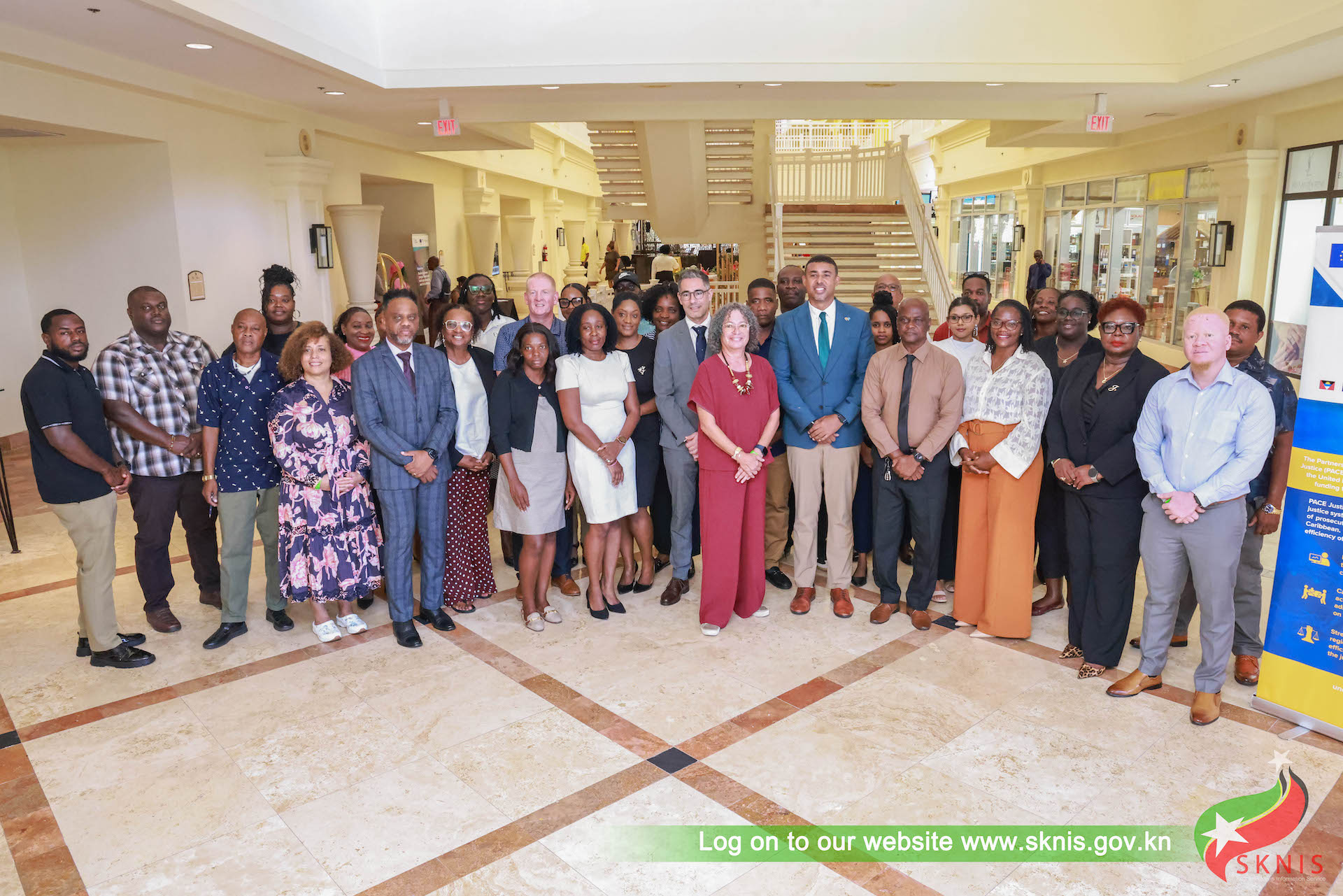
Basseterre, Saint Kitts and Nevis, 27 October 2026: The Ministry of Justice and Legal Affairs, in collaboration with the United Nations Development Programme (UNDP) PACE Justice Project, is hosting a two-day training programme at the St. Kitts Marriott Resort focused on strengthening custodial management, rehabilitation and the reintegration of persons leaving custody.
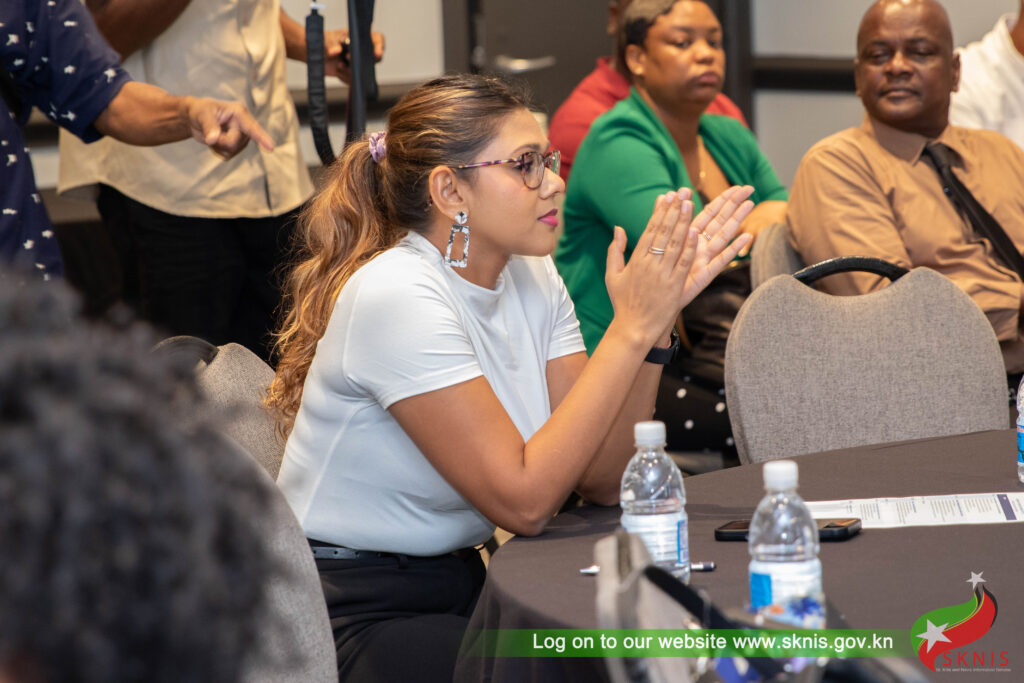
The training brings together officers of His Majesty’s Prison, representatives of the Ministry of Social Development and Gender Affairs, civil society organisations, including ELEVATE, and other stakeholders across the justice and social sectors. Participants are examining the management of persons in custody from admission through release, with particular attention to assessment and classification, mental health and vulnerability, rehabilitation, staff resilience and preparation for reintegration.
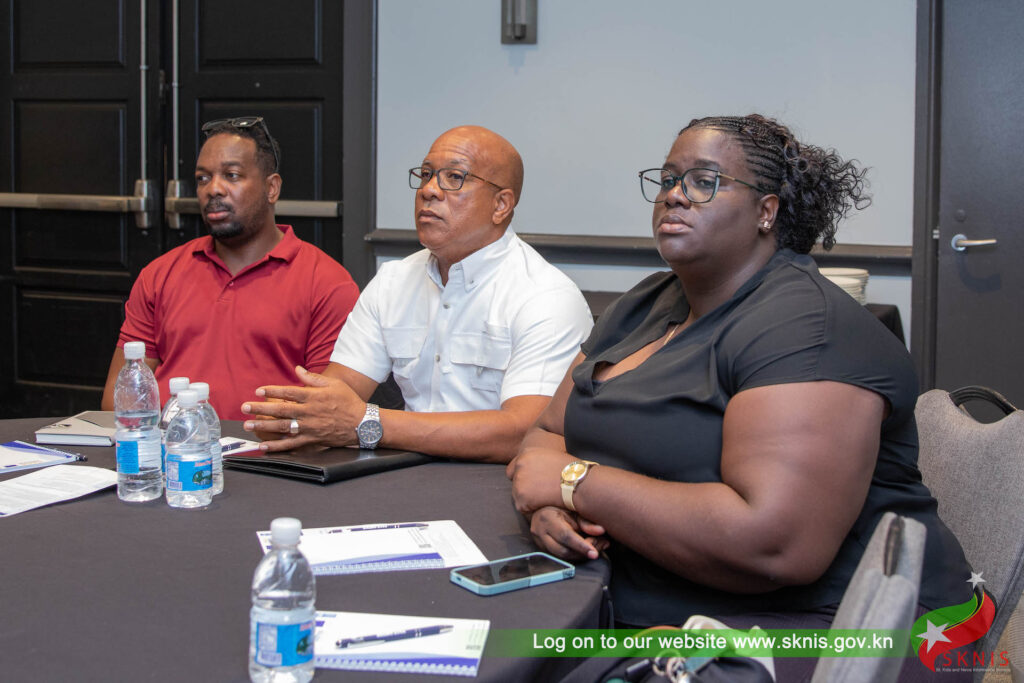
The programme forms part of the Government’s broader justice reform agenda and its approach to addressing crime and violence as a public health issue. This recognises that public safety requires more than enforcement, and includes addressing factors associated with offending, supporting rehabilitation and preparing persons in custody for their eventual return to the community.
Opening the training, Attorney General and Minister of Justice and Legal Affairs, the Hon. Garth Wilkin, asked participants to consider the purpose of custody.
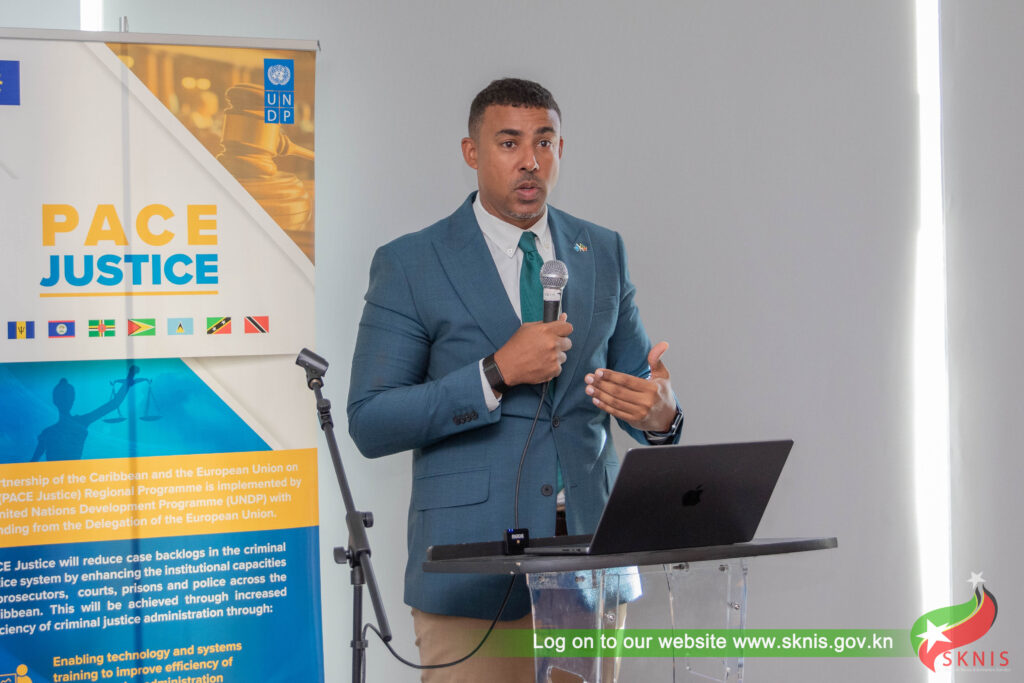
“What are we trying to achieve when we place someone in custody?” Attorney General Wilkin asked. “Security, good order and public safety are obvious answers. The harder question is what we expect to happen between the day someone enters custody and the day that person leaves. In most cases, that day will come.”
The Attorney General noted that decisions made from the point of admission can affect the management of a person throughout his or her sentence. Effective intake and assessment help correctional personnel identify security risks, vulnerabilities, mental health concerns and rehabilitative needs, and inform decisions about classification, placement and appropriate interventions.
The first day of the programme focuses on correctional standards, intake assessment and classification, critical incident management, mental health and vulnerability, behavioural management and staff resilience. The second day turns to rehabilitation and reintegration, including individual case planning, education and vocational interventions, psychosocial and behavioural support, preparation for release and coordination between custodial, government and community-based services.
Attorney General Wilkin said rehabilitation and reintegration must be understood as part of public safety. “If someone leaves custody without a stable place to live, without work, without support and with the same problems that contributed to offending in the first place, those problems do not remain behind the prison walls. They return with that person to a family and to a community,” he said.
He also stressed that preparation for release should begin well before the end of a sentence. “Release planning cannot begin when someone is standing at the gate. By then, housing, employment, family support, identification, treatment and supervision should already have been considered. Otherwise, we are not really planning a release. We are simply recording one.”
Over the two days, participants will examine existing practices and identify practical improvements in custodial management, rehabilitation, release planning and community reintegration, including how government agencies and civil society can work more closely to support the transition from custody to the community.
The Ministry’s objective is to ensure that time spent in custody is managed in a way that protects the public, supports correctional officers, addresses factors associated with offending and better prepares individuals for their eventual return to the community.
End