

Basseterre, Saint Kitts, October 23, 2026 (SKNIS): The National Assembly has successfully passed the St. Christopher and Nevis Citizenship (Amendment) Bill, 2026, paving the way for eligible descendants of Kittitians and Nevisians living abroad to apply for citizenship and formally strengthen their connection to their ancestral homeland.
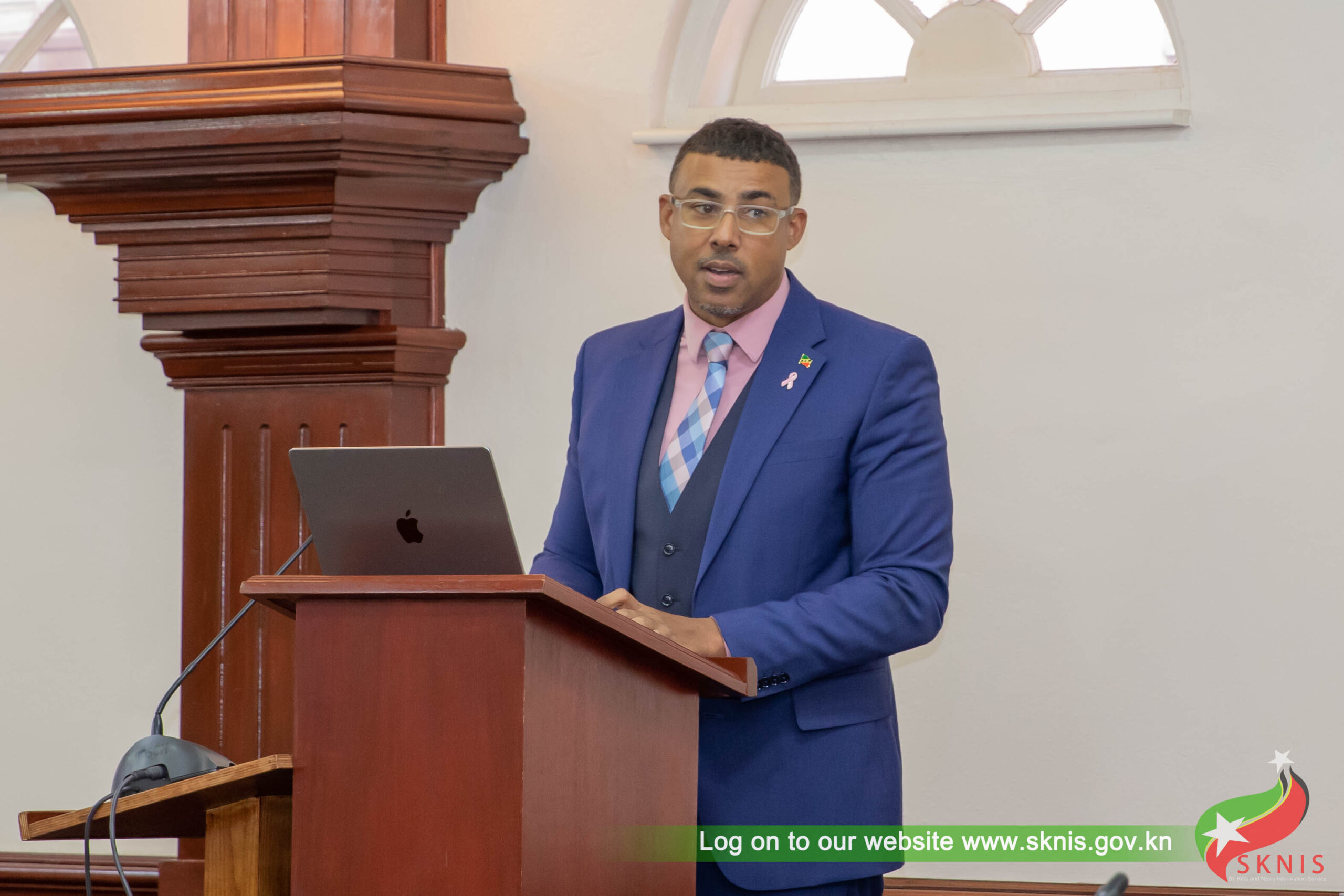
Attorney General (AG) and Acting Minister responsible for Citizenship and Immigration, the Honourable Garth Wilkin, championed the landmark legislative amendments in the National Assembly on October 23, 2026. AG Wilkin described citizenship as more than a legal status, but a fundamental expression of belonging, identity and the right to call a country home.
The legislation addressed a longstanding gap in the Federation’s citizenship framework, which created barriers for some descendants born abroad after Independence in 1983. The new pathway is intended to allow eligible individuals with qualifying parental or grandparental connections to Saint Kitts and Nevis to apply for registration as citizens.
In his presentation, Attorney General Wilkin reflected on the Federation’s history of migration, highlighting how generations of Kittitians and Nevisians travelled to countries such as the United Kingdom, the United States, Canada and Bermuda in search of better opportunities, while maintaining enduring ties to their homeland.
AG Wilkin added that their descendants have continued to preserve family connections, cultural traditions and a sense of national identity, but noted however that many have faced difficulties formally claiming citizenship through their ancestry.
“The spirit (of the law) was right. The letter was narrower than anyone had supposed,” AG Wilkin said, explaining the need to address the gap between the longstanding understanding of citizenship by descent and the limitations of the existing legal framework.
“This government is not tightening anything,” he said. “We are doing what should have been done forty-three years ago: putting into the statute book, in plain words, the pathway that our people were always understood to have, so that the letter of the law and the spirit of the law finally say the same thing.”
The attorney general further explained that the legislation utilises the registration mechanism provided under Section 92(1)(h) of the Constitution, creating a new pathway through legislation rather than amending the Constitution itself.
The implementation process, including the applicable eligibility criteria, documentation requirements and commencement arrangements, will determine how eligible applicants can access the new pathway.
With the Bill’s passage, the Federation has taken a significant legislative step towards strengthening its relationship with its diaspora and addressing citizenship challenges affecting eligible families across generations.
-30-