

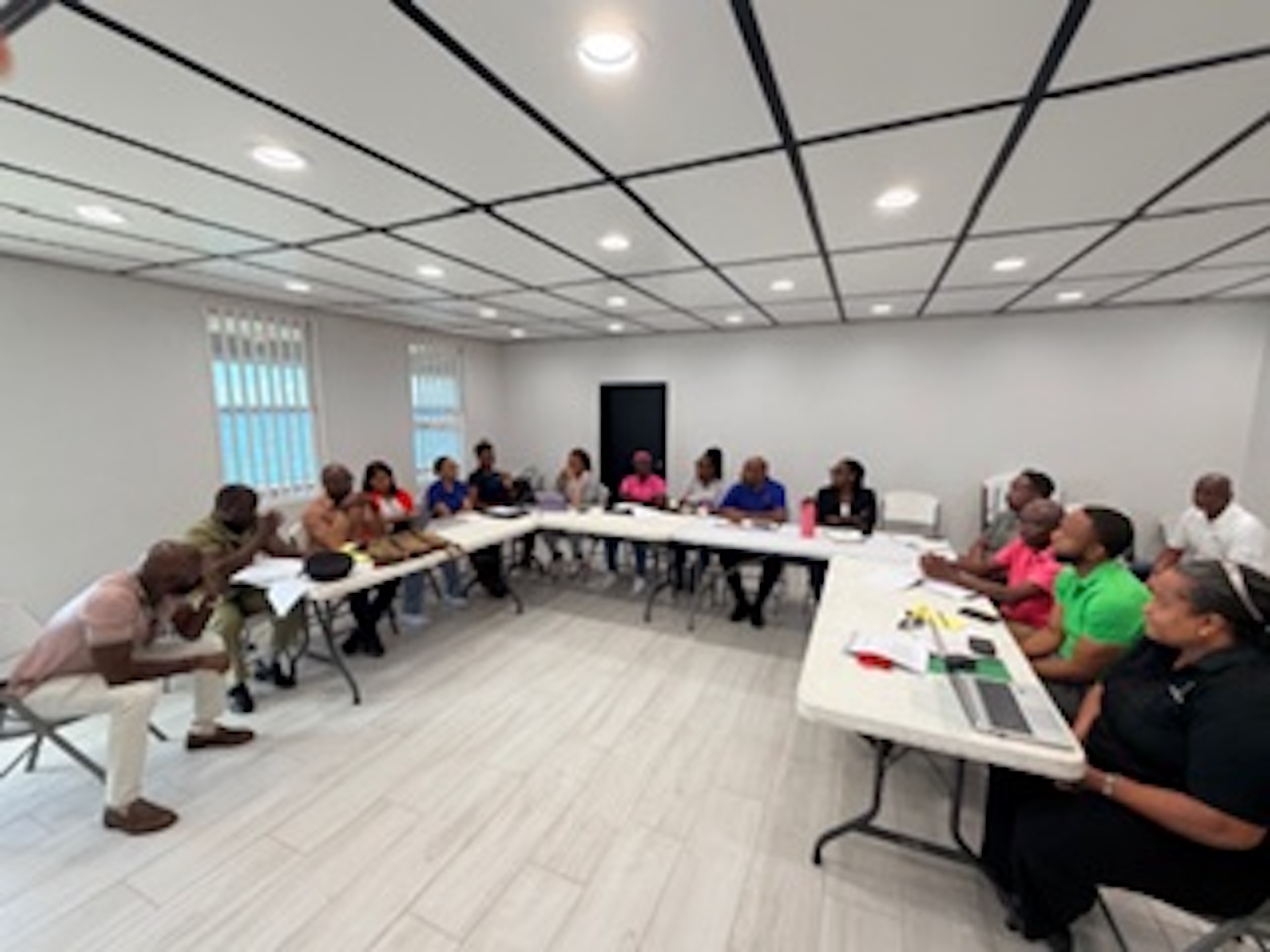
BASSETERRE, St. Kitts, October 23, 2026 (SKNIS): Representatives from key government ministries and agencies met this week to advance efforts aimed at strengthening the delivery and effectiveness of the Out of School Suspension Programme, an important intervention designed to provide support and guidance for students experiencing behavioural and social challenges.
The collaborative meeting, convened by the Citizen Security and Well-Being Secretariat, brought together representatives from the Ministry of Social Development, the Ministry of Education, the Prime Minister’s Office, and the Ministry of National Security.
Participants included members of the management team responsible for the Out of School Suspension Programme, the Guidance Counselling Coordinator and guidance services personnel within the Ministry of Education, officials from the National Counselling Centre and the Probation and Child Protection Services (PCPS), representatives from Elevate within the Prime Minister’s Office, and members of the National Intervention Team.
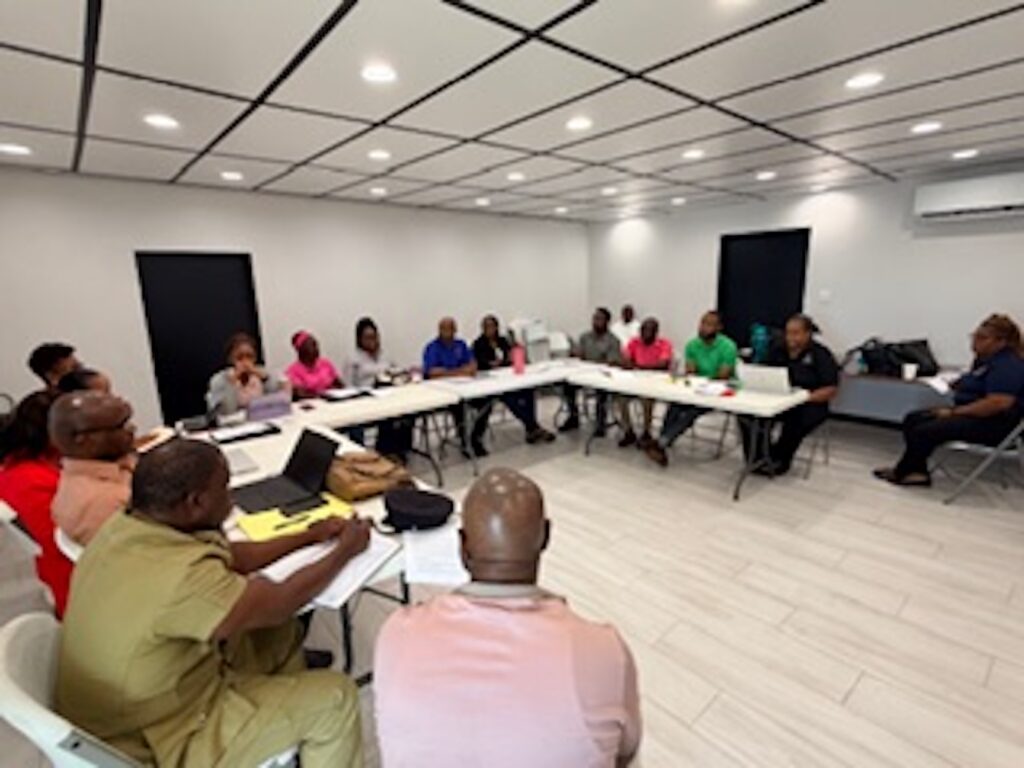
The session focused on improving systems and processes that support the programme and ensuring a coordinated, multidisciplinary approach to student intervention. Stakeholders reviewed existing referral and support mechanisms, discussed opportunities to strengthen collaboration among agencies, and worked to clearly define roles and responsibilities across participating institutions.
The Out of School Suspension Programme serves as an interim intervention for students requiring additional behavioural, psychosocial, and educational support. Through coordinated assessments and targeted services, the programme seeks to address underlying challenges and connect students and their families with the resources needed to promote positive outcomes and successful reintegration into the school environment.
Participants emphasized the importance of early intervention, structured support systems, and strong inter-agency collaboration in addressing the complex needs of vulnerable youth. The discussions also highlighted the value of linking educational interventions with counselling, social support, and other specialized services where appropriate.
The meeting concluded with a shared commitment to strengthening communication, refining operational procedures, and enhancing programme delivery to better support students and their families.
Stakeholders described the engagement as productive and forward-looking, noting that the collaborative discussions have set the stage for even more effective implementation of the programme and stronger outcomes for young people across St. Kitts and Nevis.
-30-